Understanding Tuna Quality: The Key to Perfect Sashimi
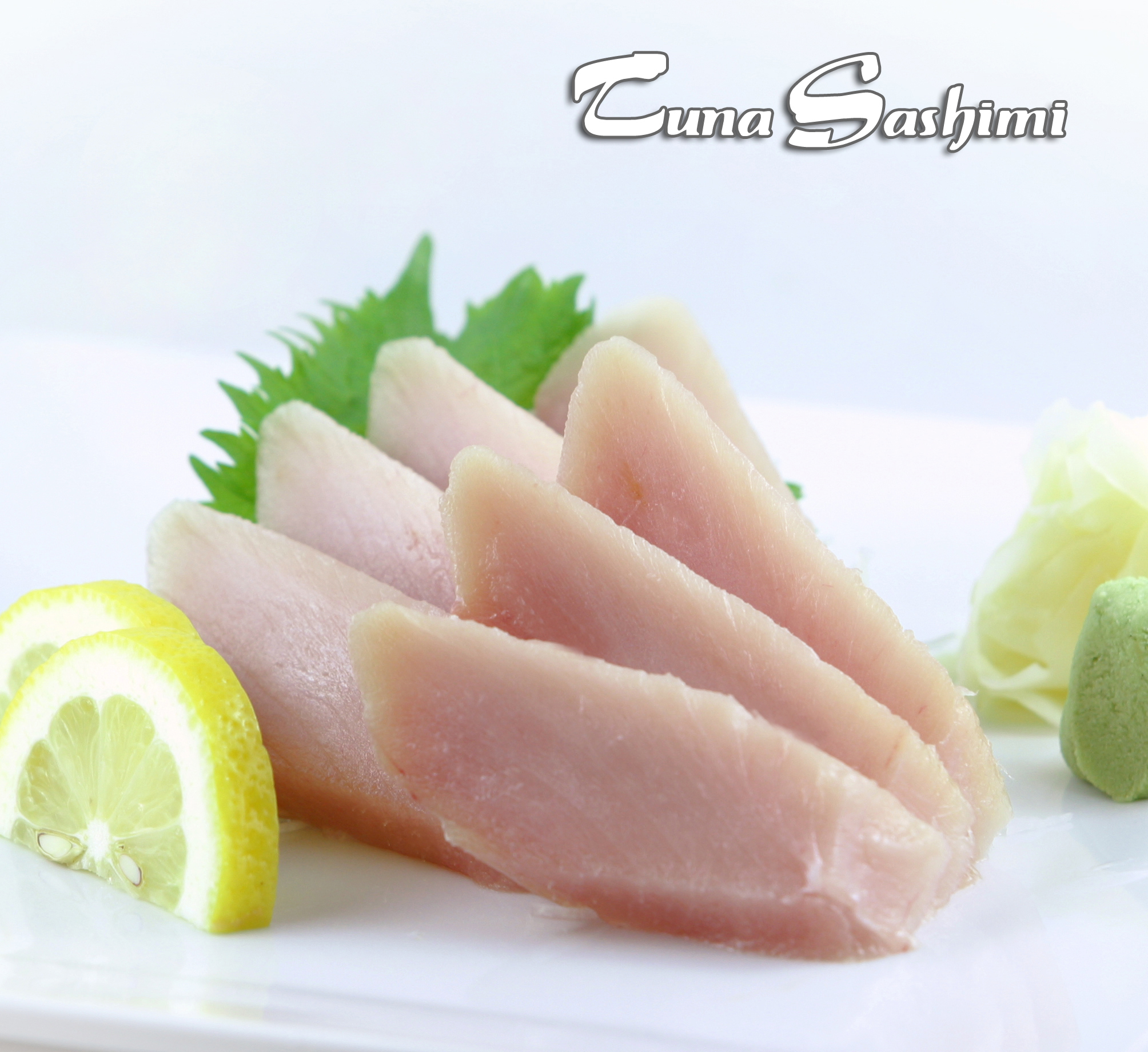
Choosing the right tuna for sashimi is an art that combines visual inspection, knowledge of fish anatomy, and understanding of market practices. The quality of your sashimi starts with the tuna’s freshness, which directly impacts its flavor, texture, and safety. This guide delves into the nuances of selecting sashimi-grade tuna, ensuring every bite is a pristine experience.
The Anatomy of a Good Sashimi Tuna
To evaluate tuna, you need to know what to look for. The fish should be bright, with a clean, metallic sheen. The flesh should be firm yet yielding, and the color should range from deep red to cherry red. Avoid any tuna with a dull appearance or brown spots, which indicate aging or poor handling.
Safety First: Avoiding Parasites and Contaminants
Sashimi-grade tuna undergoes rigorous inspection to ensure it’s parasite-free. Look for certifications like ‘Sashimi Grade’ or ‘Tuna Grade 1’. Always source from reputable suppliers who follow FDA guidelines. When handling, keep the fish at 32°F (0°C) or below to prevent bacterial growth. Never consume raw tuna that hasn’t been properly frozen to kill parasites.

Where to Source Your Tuna
Finding fresh tuna involves knowing the right places. Local fish markets often have daily catches, while specialty stores like Tokyo Fish Market offer imported sashimi-grade tuna. Online retailers like Wild Alaskan Seafood provide convenient options, but verify their sourcing and freezing processes. Farmers’ markets can also be a great source if you know what to ask.
Mastering the Art of Selection: Expert Tips
According to sushi chefs, the best tuna has a deep red color with fine, dense grains. The fat distribution should be even, with a creamy marbling that melts in your mouth. Use your nose: a fresh tuna should smell like the ocean, not fishy. Avoid tuna with a strong ammonia odor, which signals spoilage.
Comparing Tuna Varieties: Bluefin vs. Yellowfin
Bluefin tuna is prized for its rich flavor and high fat content, making it ideal for sashimi. Yellowfin is more affordable and has a lighter taste, suitable for those new to sashimi. Albacore is milder and often canned, not recommended for raw consumption. Understanding these differences helps you choose based on budget and preference.

Proper Handling and Storage
Once you’ve selected the perfect tuna, handle it with care. Wrap it in ice immediately and store it at the coldest part of your refrigerator. If freezing, use vacuum-sealed bags to prevent freezer burn. Thaw slowly in the refrigerator before use. Never leave tuna at room temperature for more than two hours.
Common Mistakes to Avoid
Common errors include buying tuna that’s not properly labeled, ignoring the color and smell, and storing it incorrectly. Another mistake is assuming all tuna is safe; only sashimi-grade fish should be consumed raw. Always ask questions about the fish’s origin and handling history.
Conclusion: Elevate Your Sashimi Game
Selecting the perfect tuna for sashimi requires diligence and knowledge. By following these expert tips, you can ensure safety, quality, and an authentic dining experience. Remember, the freshest tuna not only tastes better but also honors the traditions of Japanese cuisine.
Watch: Beda ikan tuna dan ikan tongkol
by Dapur Mamaku