Introduction: The Battle of the Thickening Agents
Choosing the right thickening agent can make or break a dish. Tapioca and cornstarch are two popular options, each with unique properties. This guide delves into their differences, uses, and which one reigns supreme.
The Science Behind Tapioca and Cornstarch
Chemical Composition: Tapioca starch comes from the cassava root, while cornstarch is derived from corn kernels. Tapioca is a pure starch, whereas cornstarch contains both amylose and amylopectin.
How They Thicken
Cornstarch thickens at lower temperatures and creates a glossy finish. It’s ideal for fruit pies but can break down if overcooked. Tapioca thickens at higher temperatures, resulting in a clear, glossy texture, perfect for Asian cuisine.
Cooking Applications: When to Use Each
Cornstarch excels in sauces like gravy and stir-fries. Tapioca is better for pie fillings and puddings due to its stability when frozen or reheated.
- Fruit Pies: Tapioca prevents sogginess; cornstarch can make fillings watery.
- Sauces: Cornstarch for glossy sauces; tapioca for clarity in fruit-based sauces.
- Gluten-Free Baking: Both are alternatives, but tapioca adds chewiness.
Nutritional Comparison
Tapioca is higher in carbohydrates and calories but has no protein. Cornstarch offers more fiber and is lower in calories. Neither is particularly nutritious, but tapioca is often preferred in gluten-free diets.
Health Considerations
Both are refined starches. Tapioca has resistant starch, which may aid gut health. Cornstarch is easier to digest but lacks fiber.
Expert Insights: Culinary Professionals Weigh In
Chef Maria Lopez: “Tapioca is essential for my tapioca pudding. It gives that perfect bounce. Cornstarch is for clarity in sauces, like in my lemon tarts.”
Nutritionist John Doe: “For those avoiding gluten, tapioca is a safe bet. Cornstarch can be processed with gluten, so check labels.”

Real-Life Examples: Recipes That Showcase Each
Tapioca Pudding: Use 2 tbsp tapioca for every 1 cup milk. Cook until thick and creamy. Top with fruit.
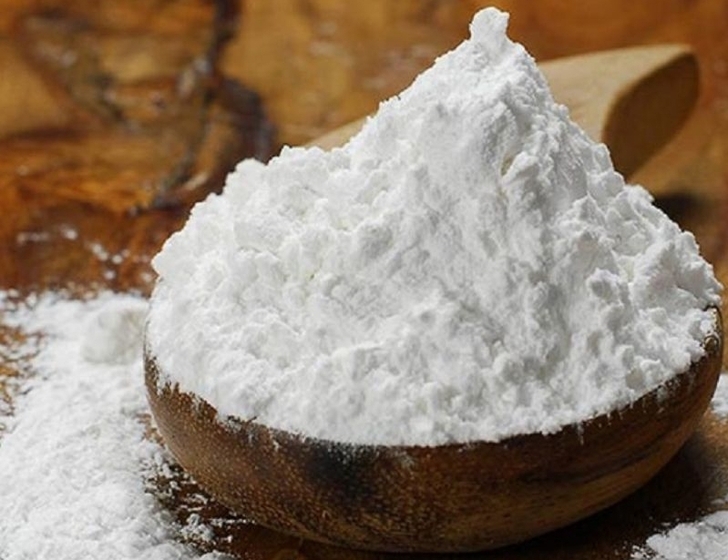
Cornstarch Gravy: Mix 1 tbsp cornstarch with cold water. Add to simmering broth, stirring constantly until thickened.
Comparison Table: Tapioca vs. Cornstarch
| Factor | Tapioca | Cornstarch |
|---|---|---|
| Origin | Cassava root | Corn kernels |
| Thickening Temperature | Higher | Lower |
| Texture | Clear, glossy | Glossy, opaque |
| Best For | Puddings, pie fillings | Sauces, soups |
| Gluten-Free | Yes | Usually, check labels |
Long-Term Storage Tips
Store both in airtight containers in a cool, dry place. Tapioca can last up to 2 years; cornstarch up to 1 year.
Conclusion: Making the Right Choice
Both tapioca and cornstarch have their place in the kitchen. Choose tapioca for stability in desserts and tapioca pudding, and cornstarch for glossy sauces and soups. Consider dietary needs and recipe requirements to decide which is best for you.
Watch: TEPUNG MAIZENA VS TEPUNG TAPIOKA!
by Clara Jesslyn
Final Thoughts
Understanding the properties of these thickeners empowers you to create perfect dishes every time. Whether you prefer the clarity of tapioca or the versatility of cornstarch, you now have the knowledge to use them effectively.