Why Non-Dairy UHT Milk is a Smart Choice for Modern Lifestyles
In today’s health-conscious world, non-dairy UHT milk has become a staple for many. Whether you’re lactose intolerant, following a vegan diet, or simply seeking a healthier alternative, understanding what makes UHT milk a good choice is crucial. UHT stands for Ultra-High Temperature processing, which allows the milk to have a long shelf life without refrigeration until opened. This guide will help you navigate the vast array of non-dairy UHT milk options available, ensuring you make an informed decision that aligns with your health goals and lifestyle.
Understanding UHT Processing: What Sets Non-Dairy UHT Milk Apart
UHT processing involves heating the milk to 135°C for two seconds, then immediately cooling it down. This method kills bacteria and enzymes, extending the shelf life significantly. Unlike traditional pasteurization, which requires refrigeration, UHT milk can be stored for months without refrigeration until opened. For non-dairy alternatives, this means you can stock up without worrying about spoilage, making it convenient for busy households or those with limited storage space.

Key Factors to Consider When Choosing Non-Dairy UHT Milk
When selecting the best non-dairy UHT milk, several factors come into play. First, consider your dietary restrictions. Are you looking for a milk that’s soy-free, nut-free, or gluten-free? Next, think about nutritional content. Some non-dairy UHT milks are fortified with calcium, vitamin D, and B12, essential for maintaining bone health and overall wellness. Taste and texture are also important; some people prefer the creamy texture of oat milk, while others might lean towards the lighter taste of almond milk.
1. Nutritional Value: What to Look For
Non-dairy UHT milk varies widely in nutritional content. For example, soy milk is a complete protein source, while almond milk is lower in calories. Look for options that are fortified with essential nutrients. A good non-dairy UHT milk should provide at least 30% of your daily calcium and 25% of your daily vitamin D. Additionally, check the sugar content; unsweetened versions are ideal for those watching their sugar intake.
2. Allergen Considerations
If you have allergies, it’s vital to choose non-dairy UHT milk that’s free from common allergens. For instance, oat milk is naturally gluten-free, but ensure it’s processed in a facility that doesn’t handle gluten to avoid cross-contamination. Soy milk is a common allergen, so those with soy sensitivities should opt for alternatives like pea or coconut milk.
3. Environmental Impact
Choosing non-dairy UHT milk also has environmental benefits. Plant-based milks generally have a lower carbon footprint compared to dairy. However, the environmental impact can vary; almond milk requires a lot of water, while oat milk is more sustainable. Consider the brand’s sustainability practices, such as using renewable energy in production or eco-friendly packaging.
Top Non-Dairy UHT Milk Brands: A Comparative Analysis
To help you make an informed choice, here’s a comparison of some top non-dairy UHT milk brands:
- Silk Soy Milk: A popular choice known for its creamy texture and high protein content. It’s fortified with calcium and vitamin D.
- Califia Farms Oat Milk: This brand offers a rich, creamy oat milk that’s perfect for coffee and baking. It’s also fortified with essential vitamins.
-
Blue Diamond Almond Milk: A lighter option with a subtle almond flavor. It’s low in calories and naturally lactose-free.
- Planet Oat Oat Milk: Made with whole oats, this milk is creamy and naturally sweet. It’s a great choice for those who prefer a heartier texture.
How to Incorporate Non-Dairy UHT Milk into Your Daily Routine
Non-dairy UHT milk is incredibly versatile. Use it in your morning coffee or smoothie, pour it over cereal, or substitute it in recipes that call for dairy milk. Its long shelf life makes it perfect for meal prep and on-the-go snacks. For baking, oat milk works well in muffins and pancakes, while soy milk provides a richer texture in sauces and desserts.
Expert Tips for Maximizing Flavor and Nutrition
According to nutritionists, pairing non-dairy UHT milk with whole grains can enhance its nutritional value. For example, adding a splash of soy milk to oatmeal provides a complete protein meal. Also, consider using fortified versions to ensure you’re getting enough vitamins and minerals, especially if you’re reducing dairy intake.
Common Misconceptions About Non-Dairy UHT Milk
There are several myths surrounding non-dairy UHT milk that need debunking. One common misconception is that all non-dairy milks are equally nutritious. As we’ve seen, nutritional content varies significantly between brands and types. Another myth is that non-dairy UHT milk tastes artificial. However, many modern brands use natural ingredients and flavors to create a delicious product that rivals traditional milk.
The Future of Non-Dairy UHT Milk
As consumer demand for plant-based products continues to rise, the non-dairy UHT milk market is expanding rapidly. Innovations in flavor profiles, such as barista editions with added foam, and new plant-based options like pea milk, are emerging. Sustainability is also becoming a key focus, with brands investing in eco-friendly packaging and production methods.
Conclusion: Making the Right Choice for Your Health and the Planet
Choosing the best non-dairy UHT milk involves considering your nutritional needs, taste preferences, and ethical values. By understanding the differences between plant-based options and reading labels carefully, you can select a product that supports your health and aligns with your lifestyle. Remember to look for fortified versions to ensure you’re getting essential nutrients, and don’t hesitate to experiment with different brands and flavors to find your perfect match.
Final Tips for Shopping for Non-Dairy UHT Milk
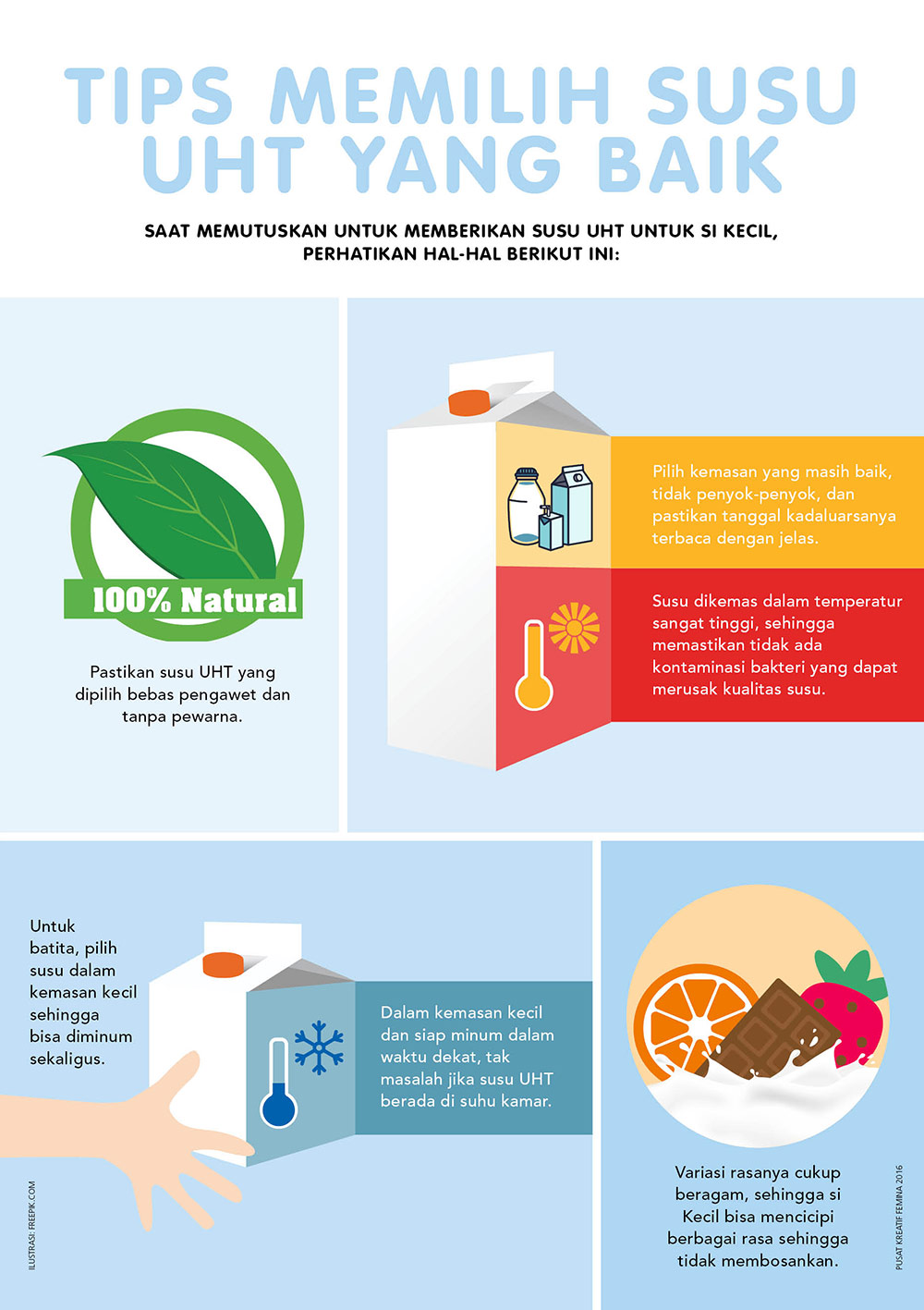
When shopping, always check the expiration date and storage instructions. Unopened non-dairy UHT milk can be stored in a cool, dry place, but once opened, it must be refrigerated and consumed within 7-10 days. Look for certifications like USDA Organic or Non-GMO Project Verified to ensure quality. Lastly, don’t forget to check the ingredient list for additives or preservatives that might not align with your health goals.
Watch: INI SUSU YANG PALING SEHAT✅
by 2Nine Fit Indonesia